

Why your nervous system doesn’t care that you finally made it to paradise
Welcome to Unregulated to Regulated — my small corner of the internet where I write about rebuilding the nervous system, stress management, invisible illness, recovery, and learning how to live slowly in a culture addicted to speed.
Short Synopsis
Vacation is supposed to feel like relief, but your nervous system doesn’t reset just because your location changes. This piece explores why it can take days to actually relax—and what’s really happening in your body when you finally stop.
What We’ll Explore
• Why your nervous system doesn’t “turn off” when you land somewhere beautiful
• What’s happening biologically when you finally slow down
• Three deeper ways to help your system regulate (that go beyond “just breathe”)

I landed in Hawaii and thought, this is it… I’m going to feel better immediately.
Ocean, warmth, slower pace, no meetings, no constant demands. The kind of environment we all fantasize about when life starts to feel like too much.
And yet… I didn’t feel calm. Not right away. Not even close. My body was there, but my nervous system was still somewhere back home—still scanning, still bracing, still running the same patterns it had been running for months.
It took me three full days to regulate.
And here’s the part I want you to really hear: this is coming from someone who teaches nervous system regulation for a living. Someone who has spent years helping first responders, physicians, high-performing humans learn how to calm their systems down.
And still… three days.
Because knowledge doesn’t override biology.
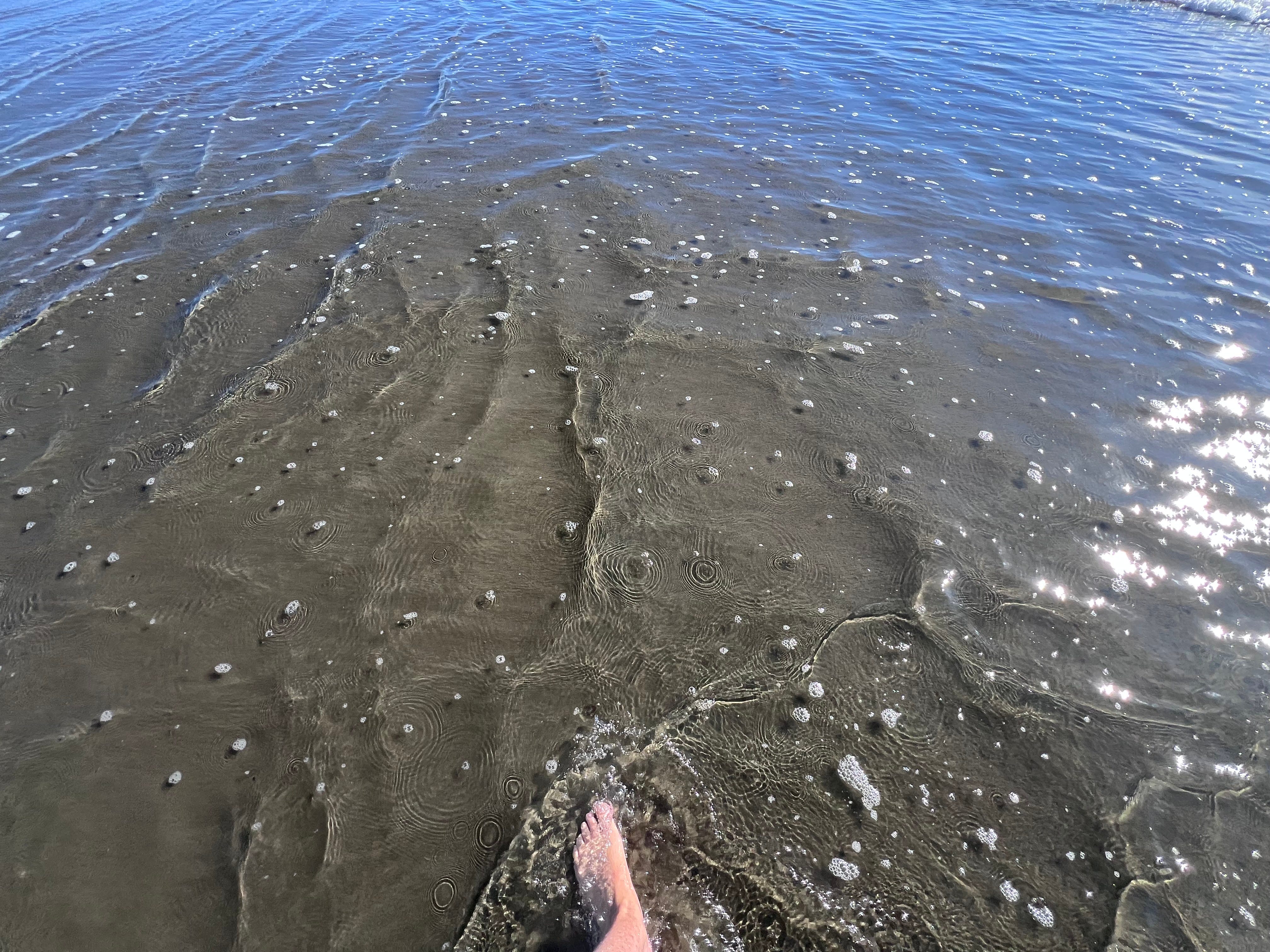
Your Nervous System Doesn’t Travel at the Speed of Your Plane
One of the biggest misconceptions we have is that changing environments should immediately change how we feel. You leave the stress. You arrive in beauty. You should relax.But the nervous system doesn’t operate on logic. It operates on pattern recognition and prediction.
In neuroscience, this is called predictive processing. Your brain and body are constantly asking, What’s next? What should I expect? And they answer that question based on your recent history.
If your recent history has been full—fast, demanding, overstimulating—your nervous system keeps running that program even when you land somewhere quiet.
So you sit on the beach, and your mind keeps moving. You lie down, and your body still feels slightly braced.
You look at the ocean, and instead of dropping in, you’re scanning.
Nothing is wrong.
Your system just hasn’t caught up yet.
I Broke My Own Nervous System—So I Don’t Romanticize This
I want to be really honest here, because I don’t write from theory.
I broke my own nervous system.Years of doing, producing, showing up, holding space for others, pushing through, staying regulated for everyone else… until I wasn’t.
Dysautonomia doesn’t arrive with a polite warning.
It arrives with a body that says, we’re done.
Heart rate shifts. Blood pressure drops. Energy becomes unpredictable. Things that used to be easy—like standing, walking, working out—become negotiations.
So when I say it took me three days to regulate in Hawaii, I’m not saying it casually. I’m saying it as someone who now lives inside a body that requires me to listen.
Deeply.
Because if I don’t, it will remind me.
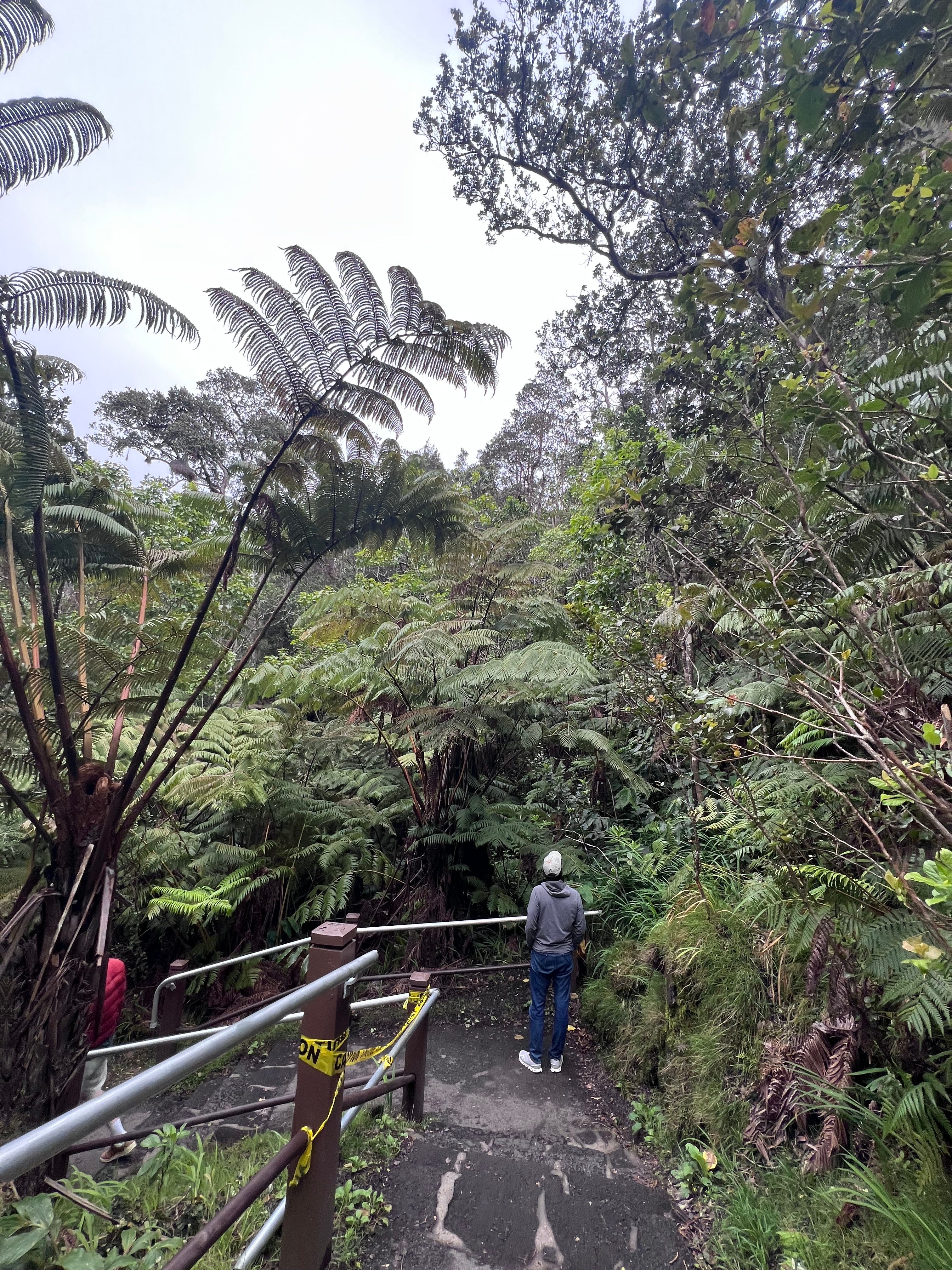
The Uncomfortable Truth About Slowing Down
Here’s the part no one really talks about. Slowing down doesn’t always feel good at first. In fact, it can feel uncomfortable. When you finally remove the input—the noise, the pressure, the constant engagement—the body starts to process what it has been holding.
That might look like restlessness.
It might look like fatigue that feels heavier than expected.
It might even feel like a low-grade anxiety that wasn’t noticeable when you were busy.
This is not regression. This is decompression.
Your nervous system is moving out of sympathetic activation—out of “go, go, go”—and into a state where it can finally release what it has been carrying.
And release doesn’t always feel like calm. At least not right away.
Why It Takes Time to Feel Good
By the third day, something shifted for me.
My breath deepened without me trying to control it. My body softened in ways I couldn’t force. I stopped checking my phone as often—not because I told myself not to, but because I genuinely didn’t want to. I started to feel the environment instead of observing it.
That’s regulation. Not something you perform. Something your body allows when it finally feels safe.
And that’s the key word here: safe. Your nervous system doesn’t relax because you told it to.
It relaxes because it believes, over time, that it no longer needs to stay on guard.
Three Ways to Help Your Nervous System Catch Up
Not the usual advice. You already know how to breathe.
1. Stop Trying to “Do Vacation Right”
There is an invisible pressure to optimize rest. To enjoy it fully, to make the most of it, to feel better immediately. Your nervous system reads that as effort.
Instead, give yourself permission to arrive imperfectly. To feel off, unsettled, even a little disconnected at first. The moment you remove the expectation, your system gets a signal: there is nothing to perform here.
That’s where regulation begins.
2. Let Your Eyes Lead Before Your Mind Does
Before you think your way into calm, let your body orient. Look at the horizon. Notice the colors. Track movement slowly—waves, trees, light shifting. This is not a mindfulness exercise. This is how the nervous system learns safety.
Orientation tells your system: I can see where I am. I am not in danger.
And that matters more than any breathing technique.
3. Reduce Input Before You Add Anything Else
Most people layer calm on top of stimulation. They meditate—but they’re still consuming content. They walk—but they’re listening to something.
For the first couple of days, take something away instead. Less information. Less noise. Less conversation. Regulation doesn’t come from adding more.
It comes from giving the system enough space to settle.
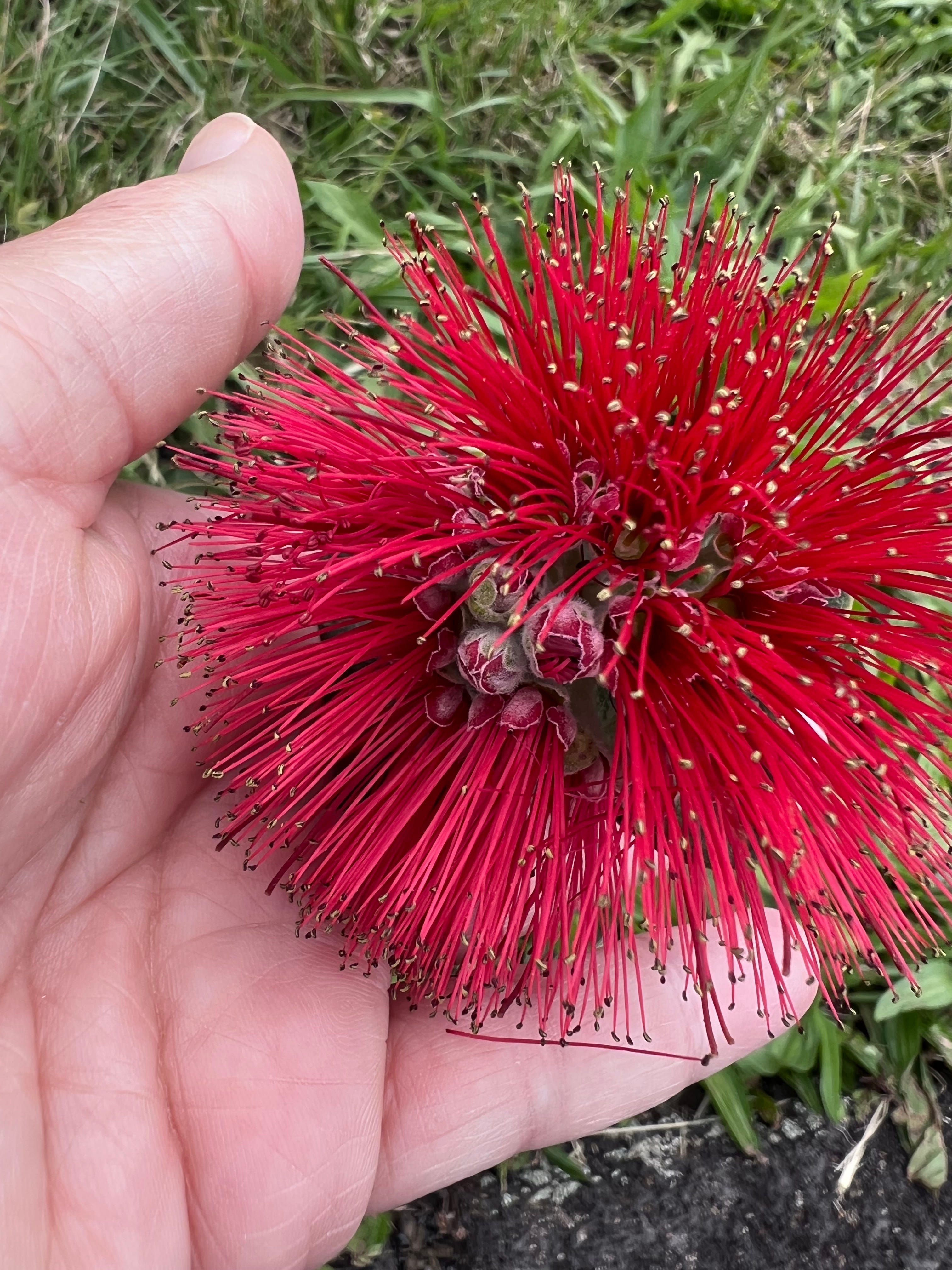
A Different Way to Think About Vacation
Vacation isn’t just about getting away. It’s about giving your nervous system a chance to relearn what it feels like to not be under constant demand.
But that takes time.
And if you’ve been living in a fast, high-output, always-on state, your system may need more time than you expect.
That’s not a flaw. That’s honesty.
And if this resonates—if you’ve ever arrived somewhere beautiful and thought, why don’t I feel better yet?—this is exactly the work I teach.
Not how to escape stress.
But how to work with your nervous system in real time, in real life, so it doesn’t have to break before you finally listen.
So here’s something to sit with the next time you land somewhere you thought would fix everything:
What if the goal isn’t to relax faster… but to give your nervous system enough time to finally believe it’s safe?
Thanks for being here and slowing down with me for a few minutes.
In a world that keeps accelerating, learning how to regulate our nervous systems may be one of the most important skills we develop.
If you’re practicing that too — you’re in the right place.
Lane